
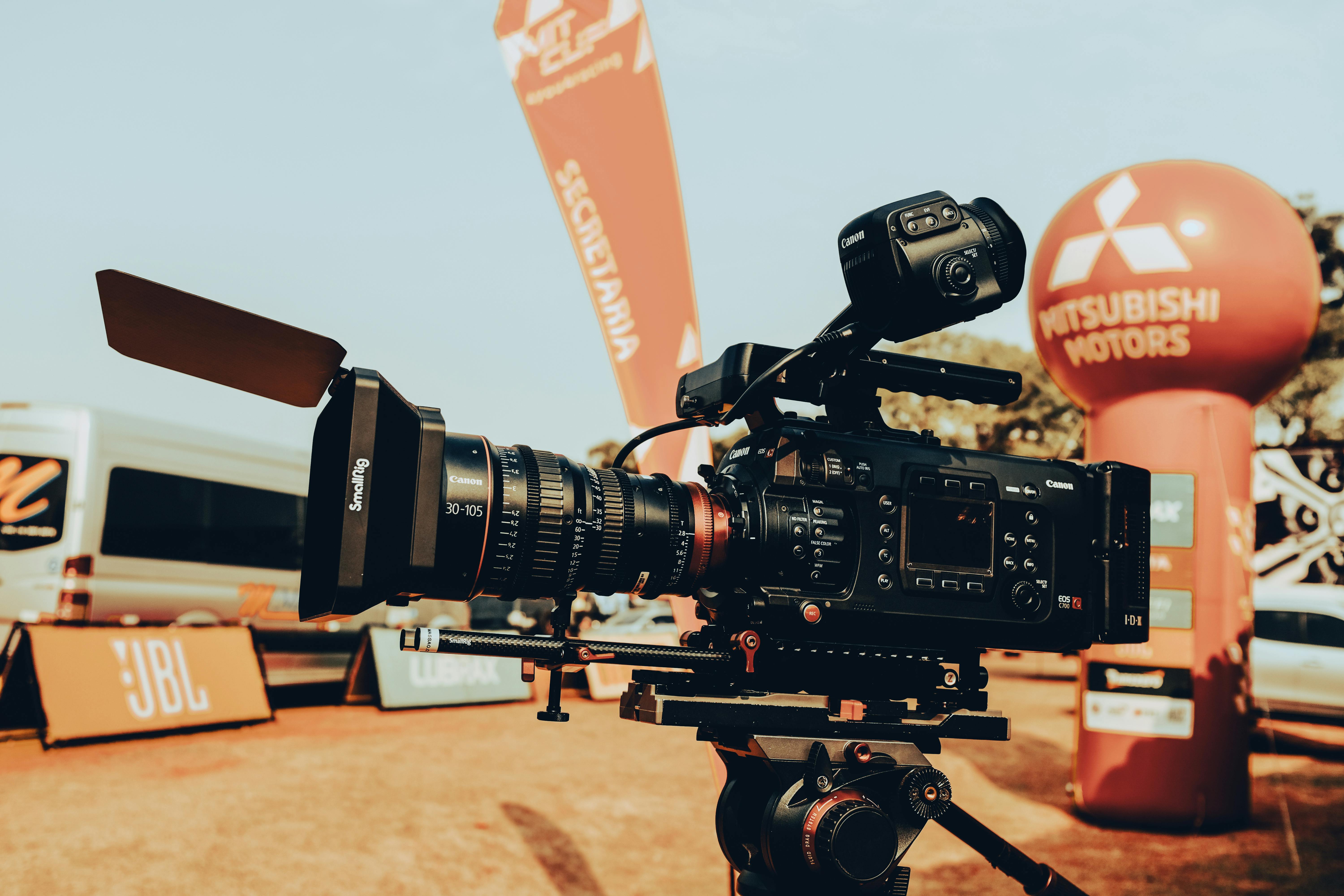
In 2026, video advertising has transcended traditional boundaries, fueled by advancements in AI, the explosive growth of Connected TV (CTV), and sophisticated programmatic platforms. This article delves into how leading brands are leveraging these cutting-edge technologies to maximize ROI, achieve unparalleled audience targeting, and drive conversions in a privacy-first world. Discover the best video ad platforms, tools, and strategies for optimizing your ad spend and securing a competitive edge.
Introduction to the Topic
Welcome to 2026, where the video advertising landscape is nothing short of a digital gold rush. Gone are the days of one-size-fits-all campaigns; today's most successful marketers are harnessing the power of artificial intelligence (AI) and the expansive reach of Connected TV (CTV) to craft hyper-personalized, high-impact video experiences. This isn't just about getting eyes on your ads; it's about driving measurable outcomes, from brand lift to direct conversions, at an unprecedented scale. The convergence of advanced programmatic capabilities, intelligent automation, and premium, brand-safe inventory on CTV is creating a fertile ground for advertisers seeking maximum return on investment (ROI) and optimized Cost Per Mille (CPM).
The average consumer in 2026 is immersed in video content across multiple devices, demanding relevance and engagement. This presents both a challenge and an immense opportunity. Brands that strategically invest in understanding and leveraging the latest video ad technologies are not just participating in the market; they are defining it. This comprehensive guide will equip you with the knowledge to navigate this dynamic ecosystem, identify the tools that matter, and implement strategies that convert.
Backgrounds & Facts
The evolution of video advertising has been relentless. By 2026, global digital video ad spending is projected to surpass previous forecasts, driven largely by the shift from linear TV to CTV and the increasing sophistication of programmatic buying. CTV viewership has become mainstream, with over 80% of US households now accessible via streaming services, offering advertisers a premium, brand-safe environment often associated with traditional television, but with the targeting and measurement capabilities of digital.
- AI as the Core Engine: AI is no longer a buzzword; it's the operational backbone of modern video advertising. From AI-driven creative optimization (Dynamic Creative Optimization or DCO) that personalizes ad content in real-time based on viewer data, to predictive analytics that optimize bid strategies for maximum conversion, AI is reducing wasted ad spend and boosting efficiency.
- Programmatic Dominance: Over 90% of digital video ad transactions are now programmatic, allowing for precise audience segmentation, real-time bidding, and cross-channel campaign management. This ensures ads are served to the right person, at the right time, on the right device, dramatically improving CPM and RPM metrics.
- Interactive & Shoppable Video: Engagement is paramount. Interactive video ads, allowing viewers to click, swipe, or even make purchases directly within the ad unit, are seeing conversion rates up to 5x higher than traditional video. Shoppable video, particularly prevalent on social platforms and increasingly on CTV, is blurring the lines between content and commerce.
- First-Party Data Imperative: With the deprecation of third-party cookies and evolving privacy regulations, first-party data has become the advertiser's most valuable asset. Brands are leveraging Customer Data Platforms (CDPs) to unify customer data, enabling highly granular and privacy-compliant audience targeting for their video campaigns.
These foundational shifts underscore a critical truth: success in 2026's video advertising arena requires embracing technology, prioritizing data, and focusing intensely on viewer experience and measurable outcomes.
Expert Opinion / Analysis
“The future of video advertising isn't just about where ads are placed, but how intelligently they're delivered and experienced,” states Dr. Anya Sharma, lead analyst at AdTech Insights Group. “In 2026, the brands winning are those that have moved beyond basic targeting to a holistic, AI-powered ecosystem. They're integrating their first-party data with advanced programmatic DSPs to achieve true audience understanding and dynamic creative delivery. This isn't just about reaching a demographic; it's about engaging an individual with content that resonates deeply, driving intent and ultimately, conversion.”
Our analysis indicates that the most significant differentiator for brands moving forward will be their ability to harness AI for predictive analytics and creative automation. Manual A/B testing is being replaced by AI algorithms that can test thousands of creative variations in real-time, optimizing for specific KPIs like click-through rate (CTR), video completion rate (VCR), and ultimately, conversion value. Furthermore, the rise of privacy-enhancing technologies (PETs) and clean rooms is enabling advertisers to collaborate on data insights without compromising consumer privacy, fostering a new era of secure, data-driven partnerships.
The strategic imperative for brands in 2026 is clear: invest in platforms that offer robust cross-screen attribution models. With consumers fluidly moving between mobile, desktop, and CTV, understanding the true customer journey and attributing value across touchpoints is critical for accurate ROI measurement and optimizing future ad spend. Focusing on full-funnel measurement, from brand awareness to post-purchase engagement, will distinguish market leaders from mere participants.
💰 Best Options in Comparison (VERY IMPORTANT)
Navigating the vast ecosystem of video advertising solutions can be daunting. Here, we compare leading categories of platforms and tools essential for maximizing your video ad ROI in 2026, catering to various needs from programmatic buying to creative innovation.
- Unified Programmatic DSPs (Demand-Side Platforms): These platforms offer comprehensive access to video inventory across all channels (web, mobile, CTV, in-app) and leverage AI for bid optimization, audience targeting, and real-time campaign adjustments. They are crucial for achieving scale and efficiency.
- CTV/OTT Ad Servers & Monetization Platforms: Specializing in the Connected TV ecosystem, these solutions provide access to premium inventory, advanced targeting specific to household demographics, and robust measurement for large-screen video campaigns.
- Interactive & Shoppable Video Platforms: Designed to transform passive video ads into engaging, actionable experiences. These tools allow for the integration of clickable elements, quizzes, polls, and direct purchase options within the video player.
- AI-Powered Video Creative & Optimization Suites: These innovative platforms use AI to automate video ad creation, personalize content at scale (DCO), and predict creative performance, significantly reducing production costs and boosting engagement.
Also integrate a clear HTML table comparing the key points, tools, or alternatives.
| Feature/Platform Type | Key Benefits (2026 Focus) | Ideal For | Considerations for ROI |
|---|---|---|---|
| Unified Programmatic DSPs (e.g., The Trade Desk, Google Display & Video 360, MediaMath) |
AI-driven bid optimization, cross-channel reach (web, mobile, CTV), advanced audience segmentation, first-party data integration. Maximizes ad spend efficiency. | Brands seeking broad reach, granular targeting, and real-time optimization across diverse digital video inventory. | Requires skilled media buyers; data integration complexity; potential for ad fraud (mitigated by platform features). High CPM efficiency if managed well. |
| CTV/OTT Ad Monetization Platforms (e.g., FreeWheel, Magnite, SpotX) |
Premium, brand-safe inventory on large screens, household-level targeting, advanced measurement for TV-like campaigns. | Advertisers shifting TV budgets to digital, brands prioritizing brand safety and high-impact, lean-back viewing experiences. | Can have higher CPMs due to premium inventory; attribution across TV and digital can be complex (though improving). Strong for brand awareness & reach. |
| Interactive & Shoppable Video Platforms (e.g., WIREWAX, Spott, H5P) |
Boosts engagement, direct calls-to-action, in-ad purchasing capabilities, rich analytics on user interaction. Drives higher conversion rates. | E-commerce brands, lead generation, product launches, or any campaign focused on direct response and immediate user action. | Requires compelling creative and clear value proposition for interaction; integration with existing ad tech stack. Excellent for conversion optimization. |
| AI-Powered Creative & DCO Suites (e.g., Creative AI, VidMob, Celtra) |
Automated video ad creation, real-time personalization (DCO), predictive performance insights, A/B/n testing at scale. Reduces creative costs and improves relevance. | Brands with diverse product catalogs, global campaigns, or those requiring rapid iteration and hyper-personalization of ad creatives. | Initial setup costs for AI models; requires robust data feeds for personalization. Significant long-term ROI through improved ad relevance and reduced creative overhead. |
Outlook & Trends
Looking beyond 2026, the video advertising landscape will continue its rapid transformation. We anticipate several key trends shaping the next frontier:
- Deeper AI Integration: AI will move from optimization to full-cycle campaign management, including automated content generation, predictive budget allocation, and even autonomous media buying, further enhancing CPM efficiency and RPM.
- Metaverse & Immersive Advertising: While still nascent, the metaverse presents new canvases for video advertising. Expect highly immersive, interactive 3D video experiences and virtual product placements that redefine engagement.
- Hyper-Personalization at Scale: Leveraging advanced biometric data (with strict privacy controls) and sophisticated AI, video ads will become even more tailored, responding to real-time emotional cues and contextual environments.
- Advanced Privacy & Trust: As regulations evolve, privacy-enhancing technologies will become standard. Brands will prioritize transparent data practices and build trust through ethical AI usage, making privacy a competitive advantage.
- Unified Cross-Platform Measurement: The industry will coalesce around more standardized, privacy-compliant cross-platform measurement solutions, offering a truly holistic view of campaign performance across all screens and formats, empowering advertisers to optimize for true business outcomes, not just impressions.
These trends highlight a future where video advertising is not just effective, but intelligent, ethical, and deeply integrated into the consumer's digital life.
Conclusion
The year 2026 marks a pivotal moment in video advertising. The convergence of AI, CTV, programmatic sophistication, and an unwavering focus on data-driven personalization has created an environment ripe for unprecedented ROI. Brands that embrace these technological advancements, invest in robust platforms, and prioritize a privacy-first approach to audience engagement will not only survive but thrive. The key to maximizing your CPM and RPM lies in intelligent media buying, dynamic creative optimization, and a relentless pursuit of measurable conversions.
Don't be left behind. Evaluate your current video advertising strategy, explore the best-in-class solutions detailed above, and position your brand at the forefront of this exciting, high-growth sector. The future of advertising is here, and it's powered by video.