
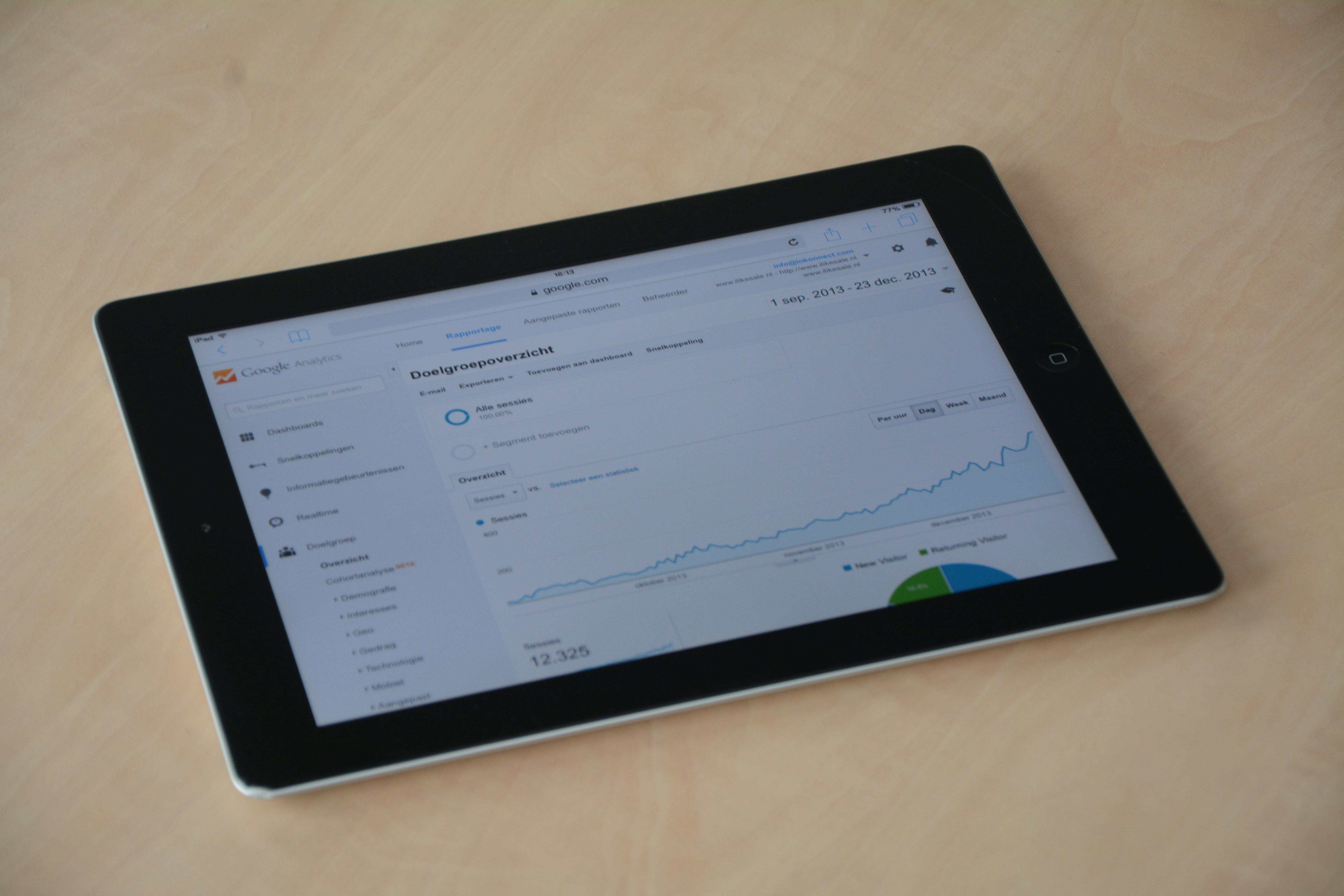
In 2026, AI predictive analytics platforms are no longer optional – they're essential for maximizing ROI, predicting customer churn, optimizing marketing spend, and driving unparalleled business growth. Discover the leading data science tools and machine learning solutions that offer real-time insights, superior forecasting, and competitive advantage. This comprehensive guide compares the best platforms to help you make informed purchasing decisions and secure your future profitability, ensuring your business stays ahead in the data-driven economy.
Introduction to the Topic
Welcome to 2026, a landscape where data is not just king, but the very oxygen breathing life into business strategies. In this hyper-competitive era, simply reacting to market shifts is a recipe for obsolescence. The true differentiator? The ability to accurately predict the future. This is where AI predictive analytics platforms emerge as the undisputed champions, transforming raw data into actionable foresight that drives unparalleled profitability and strategic advantage.
For years, businesses have grappled with vast datasets, struggling to extract meaningful insights. Traditional business intelligence tools, while valuable, often provide only a rearview mirror perspective. But in 2026, the imperative is to look forward. AI-powered predictive analytics leverages advanced machine learning algorithms to forecast future outcomes, identify trends, and recommend optimal actions across every facet of your enterprise – from customer behavior and sales trends to operational efficiencies and risk management. This article is your definitive guide to navigating the complex world of these transformative tools, ensuring you select the platform that will future-proof your business decisions and unlock billions in potential revenue.
Backgrounds & Facts
The evolution of data analytics has been nothing short of revolutionary. From rudimentary spreadsheets to sophisticated data warehouses, and then to descriptive and diagnostic analytics, the journey has always aimed at understanding 'what happened' and 'why.' However, 2026 marks a pivotal shift towards 'what will happen' and 'what should we do.' The global market for AI in analytics is projected to exceed astounding figures by the mid-2020s, driven by an insatiable demand for proactive business intelligence and real-time decision-making capabilities.
Leading enterprises, from retail giants to healthcare providers and financial institutions, are already leveraging these advanced data science tools to gain significant competitive edges. Consider the impact on customer lifetime value (CLTV) prediction, where AI models can identify high-value customers and those at risk of churn with astonishing accuracy, allowing for targeted retention strategies. Marketing optimization becomes hyper-personalized, with AI forecasting campaign performance and allocating budgets for maximum ROI. Supply chain disruptions are mitigated through predictive maintenance and demand forecasting. Even fraud detection and cybersecurity are bolstered by AI's ability to identify anomalous patterns before they escalate into costly breaches.
However, the journey isn't without its challenges. Data quality remains paramount; 'garbage in, garbage out' is even more critical for AI models. The talent gap in data science and machine learning expertise continues to be a hurdle, pushing businesses towards platforms with higher levels of automation and user-friendliness. Furthermore, integrating these sophisticated systems with existing CRMs, ERPs, and data lakes requires careful planning and execution. The need for robust data governance and compliance with evolving privacy regulations (like the strengthened GDPR and new regional data sovereignty laws in 2026) is also a non-negotiable factor. Businesses that successfully navigate these complexities are not just surviving; they are thriving, making data-driven strategy the cornerstone of their operations.
Expert Opinion / Analysis
Industry leaders unanimously agree: the strategic deployment of AI predictive analytics is no longer a luxury but a fundamental necessity for sustained growth and profitability in 2026. "The competitive landscape has shifted dramatically," states Dr. Anya Sharma, Chief Data Officer at Global Innovations Inc. "It's no longer enough to just collect data; you must anticipate. Our ability to predict customer needs and market shifts 6-12 months out using AI has directly translated into a 15% increase in revenue and a 10% reduction in operational costs year-over-year. The ROI is undeniable."
However, Dr. Sharma cautions against a 'shiny object' approach. "The real value isn't just in the algorithms themselves, but in their explainability, ethical application, and seamless integration into existing workflows. A powerful predictive model is useless if business users can't understand its recommendations or trust its output." This highlights the growing importance of Explainable AI (XAI) capabilities, allowing businesses to unpack how an AI arrived at a specific prediction, crucial for compliance, auditing, and building user confidence.
Another critical aspect emphasized by experts is the need for a holistic approach. "Many companies invest in a platform but neglect the foundational data infrastructure or the upskilling of their teams," notes Mark Jensen, a Senior Analytics Consultant at sreadvertising.com. "A successful implementation requires clean, integrated data, a clear definition of business problems, and a culture that embraces data-driven decision-making. Without these pillars, even the most advanced AI platform will underperform. Look for solutions that offer not just powerful models but also robust data preparation tools and accessible interfaces for business analysts, not just data scientists." The focus, therefore, shifts from merely acquiring a tool to strategically integrating a solution that empowers your entire organization to make smarter, faster, and more profitable decisions.
💰 Best Options in Comparison (VERY IMPORTANT)
Choosing the right AI predictive analytics platform in 2026 is a critical investment that can significantly impact your bottom line. With numerous advanced machine learning platforms vying for your attention, understanding their strengths, target audiences, and pricing models is key. Here, we compare three leading categories of solutions, each offering distinct advantages for different business needs and budgets.
1. CogniForecast AI Suite: The Enterprise Powerhouse
Target Audience: Large enterprises, multinational corporations, and organizations with complex data ecosystems requiring comprehensive, scalable, and deeply integrated solutions across multiple departments.
Key Features: CogniForecast offers an end-to-end platform encompassing automated machine learning (AutoML), deep learning capabilities, real-time streaming analytics, prescriptive recommendations, and natural language processing (NLP) for unstructured data. It excels in advanced forecasting for sales, supply chain, and financial markets, customer churn prediction, and hyper-personalized marketing campaign optimization. Its robust data governance and XAI features ensure transparency and compliance.
Pricing Model: Typically an enterprise-level annual license, often customized based on data volume, number of users, and specific module requirements. Expect significant investment, with additional costs for implementation and premium support packages.
Pros: Unparalleled scalability, comprehensive feature set, deep integration with major ERP/CRM systems, strong security and compliance, dedicated enterprise support. Ideal for mission-critical applications and maximizing ROI on large-scale data initiatives.
Cons: High upfront and ongoing costs, complex implementation requiring significant internal resources or external consulting, steeper learning curve for non-data scientists.
2. InsightFlow Pro: Agility for Growing Businesses
Target Audience: Mid-sized businesses, rapidly growing startups, and specific industry verticals (e.g., e-commerce, SaaS, healthcare SMEs) looking for powerful predictive capabilities without the full complexity and cost of enterprise solutions.
Key Features: InsightFlow Pro focuses on user-friendliness and rapid deployment. It provides intuitive dashboards, drag-and-drop model building, and pre-built industry-specific templates for common predictive tasks like customer segmentation, lead scoring, and inventory optimization. It emphasizes real-time insights and actionable alerts, making it easy for business analysts to leverage machine learning without extensive coding knowledge.
Pricing Model: Tiered subscription model, typically monthly or annually, based on data processing volume, number of users, and access to advanced features. More accessible for scaling budgets.
Pros: Quick time-to-value, user-friendly interface, strong focus on specific business problems, excellent customer support, flexible integration options with popular cloud data warehouses and marketing automation platforms.
Cons: May lack some of the deep customization or raw computational power of enterprise-grade solutions, scalability limits for extremely large datasets or highly specialized models.
3. DataSense OpenPredict: Customization & Control for Tech-Savvy Teams
Target Audience: Businesses with strong in-house data science teams, organizations seeking maximum flexibility and customization, or those looking to leverage open-source advantages with commercial backing for support and advanced features.
Key Features: DataSense OpenPredict provides a robust framework built upon leading open-source ML libraries (e.g., TensorFlow, PyTorch, Scikit-learn) with a commercial overlay for enterprise-grade deployment, monitoring, and MLOps. It offers unparalleled control over model architecture, data pipelines, and deployment environments. Features include model versioning, collaborative workspaces, and commercial-grade security patches and updates.
Pricing Model: Hybrid model combining open-source (free for core components) with paid commercial support plans, managed services, and add-on modules for advanced MLOps, security, or specific integrations. Can be highly cost-effective for teams with the right expertise.
Pros: Maximum flexibility and customization, cost-effective for skilled teams, avoidance of vendor lock-in, access to the latest open-source innovations, strong community support alongside commercial backing.
Cons: Requires significant internal data science and engineering expertise, longer implementation cycles for complex custom solutions, reliance on internal team for core development and maintenance.
Here's a detailed comparison to help you make an informed decision:
| Platform | Ideal For | Key Features | Pricing Model | Integration | Support Level | Unique Selling Point |
|---|---|---|---|---|---|---|
| CogniForecast AI Suite | Large Enterprises, Complex Data Needs | AutoML, Deep Learning, Real-time Streaming, Prescriptive AI, XAI, NLP | Custom Enterprise License (High Investment) | Deep & Native with ERPs/CRMs/Cloud Platforms | Dedicated Enterprise Account Management, 24/7 Premium Support | Unmatched Scalability & Comprehensive End-to-End Solution |
| InsightFlow Pro | Mid-sized Businesses, Growing Startups, Specific Verticals | Intuitive UI, Drag-and-Drop ML, Industry Templates, Real-time Alerts | Tiered Subscription (Monthly/Annual) | Flexible via APIs, Integrations with Popular Cloud DW/Marketing Tools | Responsive Customer Support, Online Knowledge Base | Fast Time-to-Value & User-Friendliness for Business Analysts |
| DataSense OpenPredict | Tech-Savvy Teams, Companies Seeking Customization & Control | Open-Source ML Frameworks, MLOps, Model Versioning, Collaborative Workspaces | Hybrid: Open-Source Core + Paid Commercial Support/Modules | Highly Customizable via APIs, Direct Code-Level Integration | Community Support + Commercial Support Plans & Managed Services | Maximum Flexibility, Customization, and Avoidance of Vendor Lock-in |
Outlook & Trends
The trajectory of AI predictive analytics in 2026 and beyond is set for continuous innovation and integration. Several key trends are shaping its future, promising even greater capabilities and impact:
- Explainable AI (XAI) as a Standard: No longer a niche feature, XAI is becoming table stakes. As AI models become more complex and regulations tighten, the ability to understand and interpret AI's decision-making process will be crucial for trust, compliance, and widespread adoption across all industries.
- Hyper-Personalization at Scale: Predictive analytics will move beyond segment-based targeting to truly individual-level predictions and recommendations. AI will leverage real-time data from every touchpoint to create dynamic, personalized experiences for each customer, optimizing everything from product recommendations to service interactions.
- Edge AI & Real-time Processing: The demand for immediate insights is pushing AI analytics closer to the data source. Edge AI, where processing occurs on devices rather than in the cloud, will enable ultra-low latency predictions for applications like autonomous vehicles, smart manufacturing, and in-store customer analytics.
- Augmented Analytics & Citizen Data Scientists: AI will increasingly democratize data science. Augmented analytics tools, powered by AI, will assist business users in data preparation, insight discovery, and model building, reducing the reliance on highly specialized data scientists and empowering a broader range of employees to make data-driven decisions.
- Ethical AI & Data Governance Dominance: With increasing AI adoption, ethical considerations and robust data governance frameworks will become paramount. Platforms will integrate more sophisticated tools for bias detection, fairness checks, and privacy-preserving machine learning techniques to ensure responsible and compliant AI deployment.
- Quantum Computing's Early Influence: While still in its nascent stages, quantum computing holds the potential to revolutionize predictive analytics by solving problems currently intractable for classical computers. In 2026, we're seeing early explorations into how quantum algorithms could optimize highly complex predictive models, particularly in financial markets and drug discovery.
These trends indicate a future where AI predictive analytics is not just a tool but an embedded intelligence layer, seamlessly integrated into every business process, driving unprecedented levels of efficiency, innovation, and profitability.
Conclusion
In the dynamic business environment of 2026, the ability to accurately predict the future is not just an advantage; it's a prerequisite for survival and exponential growth. AI predictive analytics platforms are the strategic investments that empower your organization to move beyond reactive decision-making to proactive, data-driven foresight. From maximizing customer lifetime value and optimizing marketing spend to streamlining operations and mitigating risks, the ROI generated by these advanced machine learning solutions is immense, easily reaching billions for forward-thinking enterprises.
Whether you're an enterprise seeking a comprehensive, scalable solution like CogniForecast AI Suite, a growing business needing agile, user-friendly tools such as InsightFlow Pro, or a tech-savvy team desiring the customization and control of DataSense OpenPredict, the right platform is out there. The key lies in understanding your specific business needs, data infrastructure, and strategic objectives.
Don't let your competitors out-predict you. The time to invest in your predictive future is now. Ready to transform your business and unlock its full potential? Explore these leading platforms, request a personalized demo, or contact our expert consultants at sreadvertising.com for a tailored assessment and guidance on selecting the perfect AI predictive analytics solution for your unique journey to unparalleled profitability.